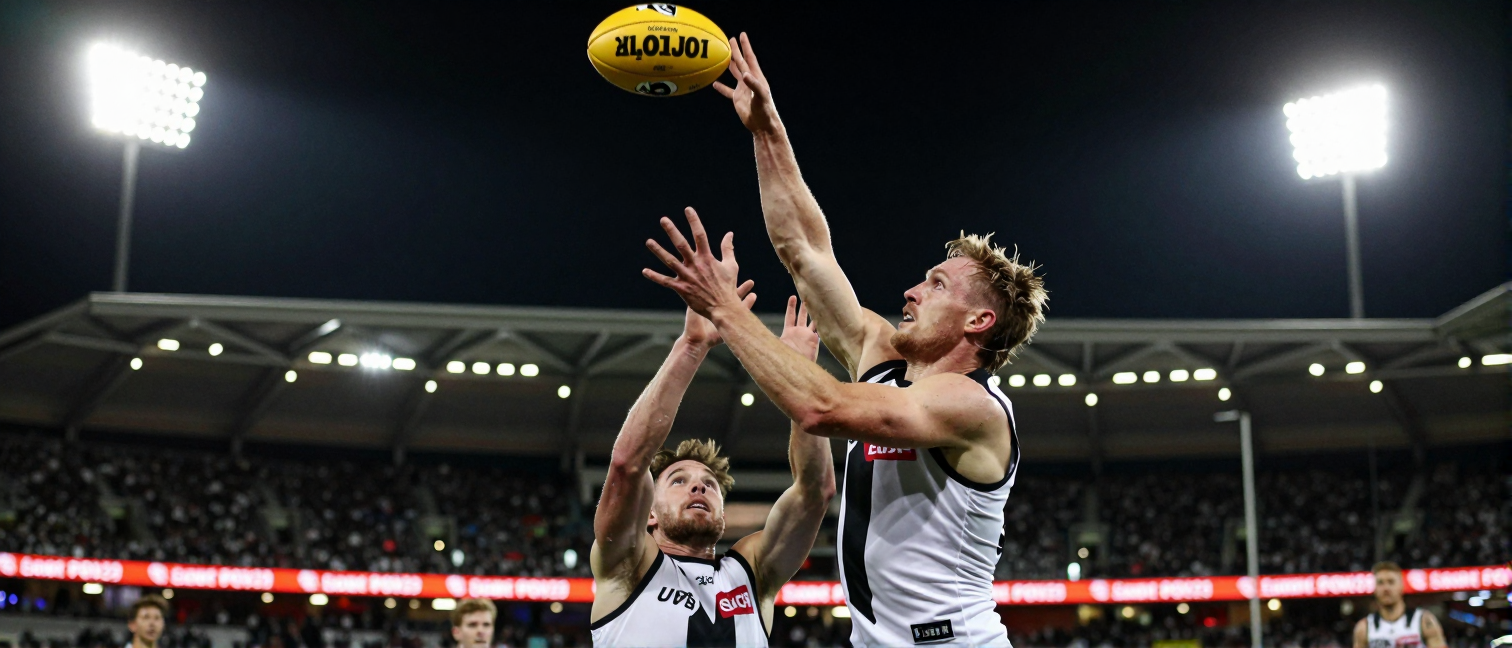
Clayton Oliver’s 2025 departure still echoes as Melbourne storms to sixth place on 7 July 2026, with coach Steven King urging freedom over finals talk.
How did the Demons defy expectations?
Melbourne entered the 2026 season predicted to linger near the bottom after losing premiership stalwarts Christian Petracca, Clayton Oliver and Steven May. Instead, King’s first‑year side posted a 10‑6 record, climbing to sixth on the ladder with seven rounds remaining. A 35‑point demolition of Hawthorn, highlighted by a 111‑15 lead midway through the third quarter, showcased the new, unshackled style.
Why is freedom more important than finals for King?
King told reporters he refuses to discuss finals, focusing instead on “pure Demon football” for four quarters. He believes the environment and playing style outweigh ladder position. “If we stay true to that, then that’s the opportunity for us the next seven weeks,” the coach said, emphasizing a culture built on freedom rather than the pressure of a wildcard berth.
What does Oliver’s exit mean for Melbourne’s rebuild?
Oliver’s exit, alongside Petracca and May, forced Melbourne to lean on young talent and remaining premiership players. King highlighted the mix, noting “10 or 11 premiership players here already, and some quality young players.” Oliver’s departure opened a leadership void that the Demons have filled with a collective mindset, turning a potential crisis into a catalyst for the current surge.
What’s next for the Demons?
Melbourne heads into a Sunday clash with Richmond at the MCG as hot favourites. A win could edge them closer to the newly‑introduced wildcard round, while four more victories would lock in a top‑six finish and a home final. King remains cautious: “One week you’re spoken about really highly, the next you slip up.” The focus stays on each game, not the looming finals narrative.
How does this impact Oliver’s legacy?
Although Oliver is no longer on the field, his influence lingers. The Demons’ ability to reinvent themselves after his departure underscores his role in the club’s recent culture. Fans and analysts now view the 2026 resurgence as a testament to the foundations laid during Oliver’s tenure, even as the team charts a new, freer path forward.